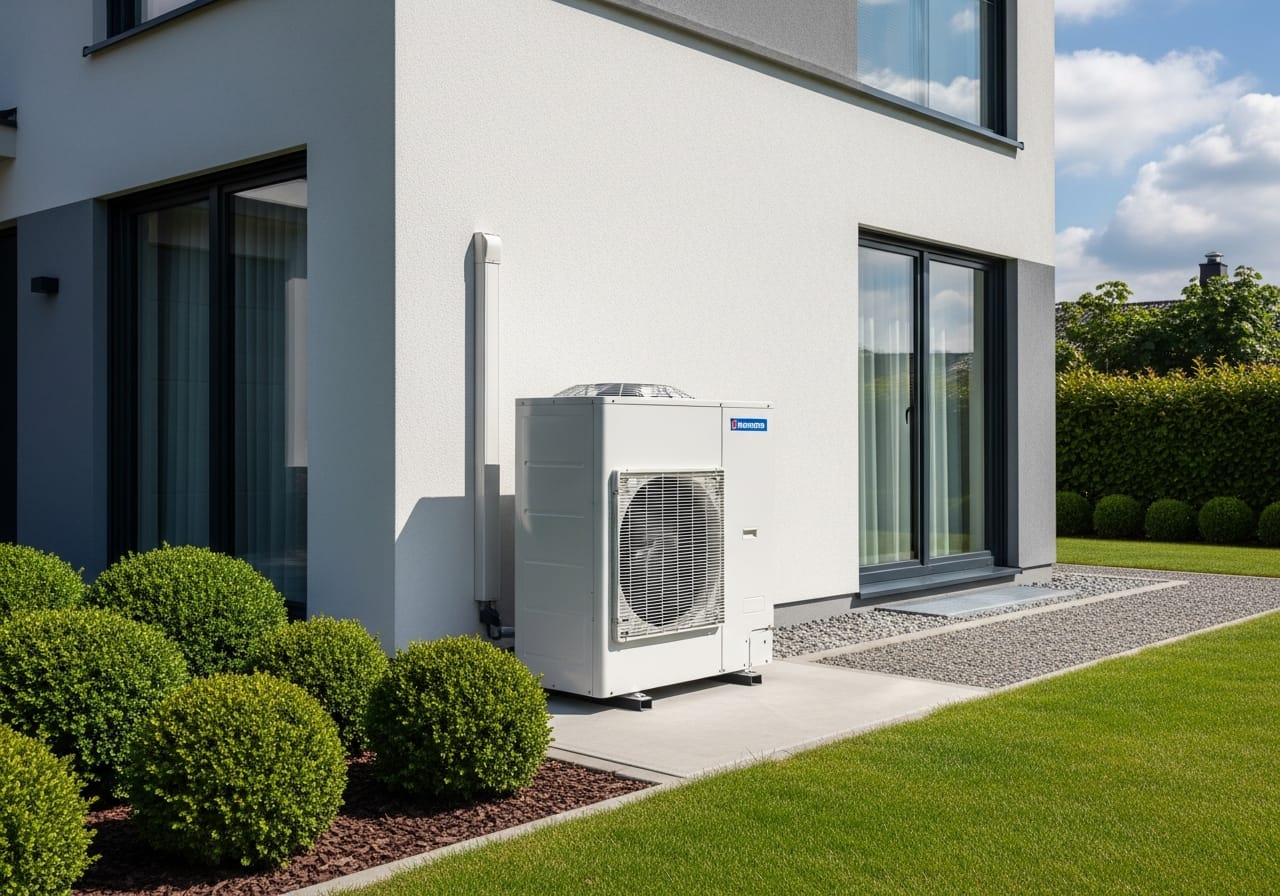
Choosing between a heat pump and a furnace is one of the biggest mechanical decisions a homeowner in Surrey or Greater Vancouver will make. The two systems heat your home in completely different ways, and the right choice depends on your house, your ductwork, and how you use each room. This guide walks through how heat pumps work, why the Lower Mainland climate suits them so well, and the situations where a furnace or a hybrid setup still earns its keep.
How does a heat pump actually work?
A heat pump does not burn fuel to create heat. It moves heat from one place to another using a refrigerant cycle, pulling warmth out of the outdoor air in winter and pushing it into your home, then reversing the process in summer to cool the house. One system handles both heating and air conditioning, which is a major reason so many Lower Mainland homeowners are making the switch.
Because a heat pump transfers heat rather than generating it, it can deliver more heating energy than the electricity it consumes. Even on a cool, damp January morning in Surrey, there is still heat energy in the outside air for the unit to capture. The technology is the same principle your refrigerator uses, just scaled up and run in both directions.
There are two main formats you will see in Greater Vancouver homes. Ducted heat pumps connect to existing ductwork and replace or supplement a central furnace. Ductless mini-split systems mount a compact indoor head on the wall of each zone, which makes them a practical fit for older homes without ducts, basement suites, and additions.
Why do heat pumps suit the Lower Mainland climate?
The short answer is that our winters are mild and our summers are getting warmer. Heat pumps are at their most efficient in exactly the temperature band that Surrey, Vancouver, and the Fraser Valley sit in for most of the year. Design temperatures here rarely approach the deep cold that challenges heat pumps in the Prairies or the Interior.
Most heating hours in the Lower Mainland fall between about zero and ten degrees. In that range a modern heat pump operates comfortably and efficiently, without leaning on backup heat. And when a July heat event rolls through, the same equipment becomes your air conditioning, something a furnace can never offer. For households that suffered through recent hot summers with box fans, the cooling side alone is often what motivates the upgrade.
There is also the electrical grid angle. BC's electricity is largely hydroelectric, so moving from a gas furnace to an electric heat pump reduces a home's carbon footprint significantly, which matters to many of the families we work with on interior renovation projects.
When does a furnace or hybrid system still make sense?
A gas furnace still makes sense in some situations: when a home has a nearly new furnace already in place, when the electrical panel cannot support a heat pump without a costly service upgrade, or when the homeowner wants the fastest possible recovery from a cold setback. A hybrid, or dual-fuel, setup pairs a heat pump with a furnace so each runs when it is most efficient.
In a hybrid arrangement the heat pump handles the vast majority of the heating season, and the furnace takes over automatically during the coldest snaps or when rapid warm-up is needed. For homes with existing gas service and ductwork in good condition, this can be a sensible middle path. It also provides redundancy, which some homeowners value during winter power considerations.
If your current furnace is fifteen to twenty years old and due for replacement anyway, that is usually the right moment to weigh a full heat pump conversion rather than paying twice by adding one later.
Can heat pumps handle cold snaps in BC?
Modern cold-climate heat pumps maintain useful output well below freezing, and the occasional Arctic outflow event in the Lower Mainland is well within their working range. Older generations of equipment earned a reputation for struggling in the cold, but variable-speed compressors and improved refrigerants have changed that picture substantially.
That said, output does decline as temperatures drop, which is why proper sizing matters. A correctly specified system will include either electric backup elements or a furnace partner to cover the handful of genuinely cold days we see each winter. The goal is a system that runs efficiently for eleven and a half months and has a plan for the other two weeks.
What about sizing and ductwork?
Sizing is where heat pump projects succeed or fail. A unit that is too large will short-cycle, wear out early, and dehumidify poorly, while an undersized unit will lean on backup heat and drive up bills. A proper heat loss calculation for your specific house, not a rule of thumb based on square footage, should always come first.
Ductwork deserves the same scrutiny. Heat pumps move larger volumes of air at lower temperatures than furnaces, so undersized or leaky ducts that were tolerable with a gas furnace can choke a heat pump. Part of our HVAC service assessment involves checking whether existing ducts can support the airflow a new system needs, or whether a ductless approach is a better fit for the house.
Are there rebates for heat pumps in BC?
Yes. Federal, provincial, and utility rebate programs for heat pump installations exist in BC, and municipal top-ups appear in some communities as well. The programs, eligibility rules, and amounts change over time, so it is worth confirming what is current before you commit to equipment, and we can point you to the active programs during a quote.
Most programs require installation by a licensed contractor and specific equipment efficiency ratings, which is another reason to plan the project properly rather than chasing the cheapest unit available.
Should you upgrade insulation at the same time?
In most older Surrey and Vancouver homes, yes. A heat pump sized for a leaky, under-insulated house has to be larger and work harder than one serving a well-sealed envelope. Improving insulation and air sealing first often lets you install a smaller, less expensive heat pump that runs more efficiently for its entire life.
We frequently bundle attic insulation top-ups and air sealing into heat pump projects for exactly this reason. The combination delivers more comfort per dollar than either upgrade alone, and it protects the investment you are making in the new equipment.
Frequently asked questions
Is a heat pump enough to heat a home in Surrey without a furnace?
For most homes in Surrey and the broader Lower Mainland, yes. A properly sized cold-climate heat pump with electric backup can carry the full heating load in our region. Hybrid setups are a choice, not a necessity, in this climate.
How long does a heat pump installation take?
A straightforward ducted replacement or a small ductless system is often completed in one to three days. Projects involving duct modifications, electrical panel work, or multiple zones take longer, and we confirm the schedule during the quoting stage.
What does a heat pump cost in BC?
Costs vary widely with the size of the home, the type of system, ductwork condition, and electrical requirements, so pricing is provided through a free quote. Available rebates can meaningfully offset the total, and we help identify which programs apply to your project.
If you are weighing a heat pump against a furnace replacement anywhere in Surrey or Greater Vancouver, we are happy to look at your home and lay out the options honestly. Contact us for a free consultation or call 778-861-6482 to talk through your heating and cooling plans.
Services Related to This Guide
Planning a Renovation?
Get a free consultation and quote from a fully insured Surrey general contractor.
Get a Free Quote